MARKET TRENDS
France's EV Revolution Has a New Driver
France's social leasing program is drawing working households into EVs for the first time, exposing critical gaps in the country's public charging network
18 Feb 2026
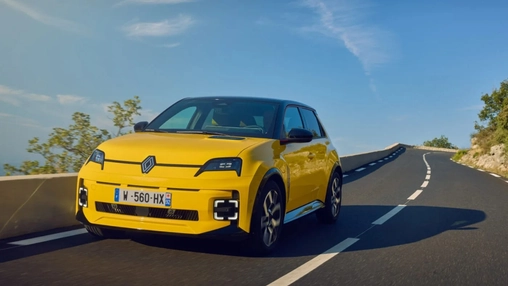
France's electric vehicle market has a new driver, and it doesn't look like the old one.
Since the government relaunched its social leasing program in September 2025, EVs have been landing in the hands of working households that would have previously sat the transition out. The effects showed up fast. In January 2026, battery-electric vehicles accounted for 28.6% of all new private passenger car registrations, with nearly half attributed to individual buyers. That's more than 50 percent above January 2025 levels, and it's not a coincidence.
The scheme targets households below a set income threshold with significant daily commutes. These aren't weekend drivers. They're racking up kilometers, and most don't have a driveway to charge in overnight.
That's the rub. France's public charging network was designed around a different kind of EV owner: the homeowner, the early adopter, the person who plugged in before bed. The country now has roughly 190,000 publicly accessible charging points, but coverage thins out sharply in the peri-urban and rural zones where many scheme beneficiaries actually live. The infrastructure and the demand are out of sync.
Operators are adjusting. Renault and TotalEnergies are accelerating deployment along motorway corridors and at retail locations, betting that opportunistic charging during a supermarket run will replace the home-dominant model of the last decade. Retail-anchored charging isn't a convenience play anymore. It's becoming the primary model for a large and growing slice of EV users.
France has set a target of 400,000 public charging points by 2030. Getting there was always going to require investment. What's changed is the logic driving where that investment goes. Social policy is now as influential as commercial returns in determining which communities get covered next.
The early EV era rewarded range anxiety with fast chargers along the routes the wealthy already traveled. The next phase will have to serve everyone else.
Related News


SUBSCRIBE FOR UPDATES
By submitting, you agree to receive email communications from the event organizers, including upcoming promotions and discounted tickets, news, and access to related events.